09/01/26
9
min read
Commercial facilities depend on reliable plumbing infrastructure to maintain operations, meet compliance deadlines, and serve tenants without interruption. When systems fail, the consequences extend far beyond a single inconvenience. What causes the most downtime for facility managers across Greater Columbus?
The most common commercial plumbing problems include main line clogs and backups, sewer line failures, water heater breakdowns, backflow preventer malfunctions, grease trap overflows, hidden leaks, and fixture failures. Solutions range from scheduled hydro jetting and camera inspections to trenchless sewer replacement and documented preventive maintenance programs that keep facilities compliant and operational.
This guide identifies the seven facility plumbing issues that shut down commercial operations most frequently, explains how to recognize early warning signs, and outlines both immediate fixes and long-term preventive maintenance strategies built for business continuity. At Plumbing & Drain Professionals, we maintain facilities across the Greater Columbus area and document every service call. The patterns we observe shape the preventive maintenance framework detailed below.
Commercial plumbing systems operate under fundamentally different conditions than residential installations. Capacity demands run 10 to 50 times higher. A single multi-tenant office building processes the same daily water volume as 30 individual homes. Healthcare facilities, restaurants, and manufacturing sites push fixture usage beyond any residential comparison.
Code compliance deadlines add a layer of operational urgency residential properties never face. Annual backflow preventer testing carries mandatory deadlines. Grease trap cleaning follows health department schedules. Water heater inspections tie to occupancy permit renewals. Miss a compliance deadline and the facility faces violations that halt operations entirely.
Downtime cost separates commercial failures from residential inconveniences. When a main line backup shuts down restrooms in an office building, productivity stops. Tenants complain. Lease agreements include service level expectations. A restaurant forced to close for a day loses revenue that never returns. A healthcare clinic postponing patient appointments damages reputation and regulatory standing.
According to research on business interruption costs published by the Insurance Information Institute, a three-day facility closure for emergency sewer line replacement can cost $15,000 to $50,000 in lost revenue before accounting for the repair itself. Property managers absorb these costs when reactive maintenance replaces preventive service intervals.
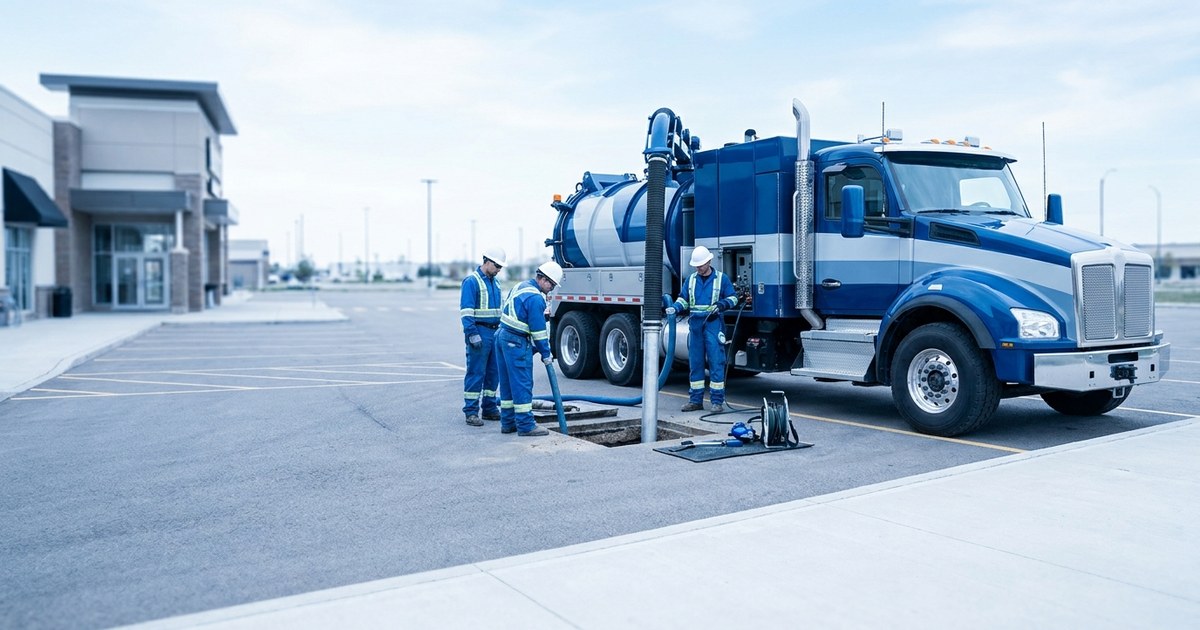
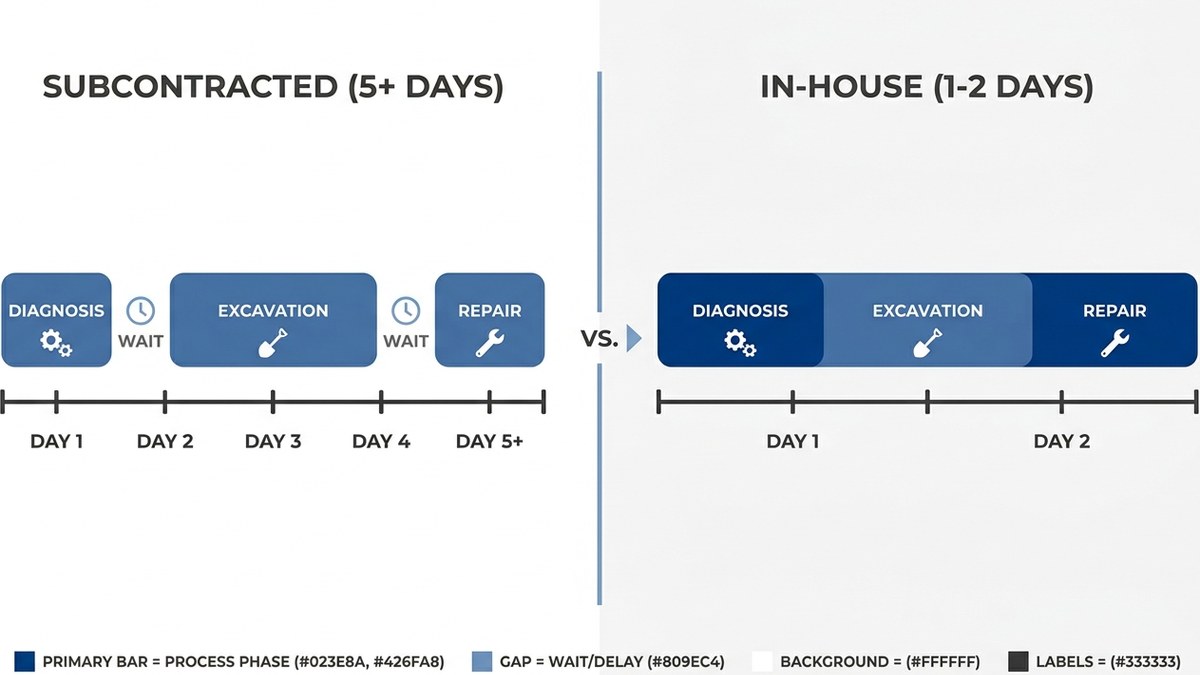
The subcontracting delay problem compounds every crisis. When a plumber discovers a main line break and waits for a separate excavation crew to arrive, downtime doubles. At Plumbing & Drain Professionals in Gahanna, we own the hydro excavation truck and trenchless equipment. One call brings one crew that handles diagnostics, excavation, and repair without handing work between contractors.
Facility managers encounter the same seven plumbing system failures repeatedly. Each problem carries distinct warning signs, documented causes, and proven solutions. Recognizing symptoms early prevents small maintenance tasks from escalating into emergency shutdowns.
Symptoms: Slow drains across multiple fixtures, gurgling sounds when water flows, sewage backup in floor drains, foul odors near drain openings.
Causes:
Solution: Camera inspection identifies the exact location and cause. Hydro jetting delivers significantly more effective cleaning results than traditional snaking methods, according to industry comparisons. High-pressure water scours the full pipe diameter, removing grease, scale, and soft root intrusions completely.
Quarterly drain maintenance prevents commercial drain problems from forming. Scheduled hydro jetting keeps main lines clear before slow drains become backups. Facilities with food service operations benefit from monthly service intervals. Our PlumbGuard program documents every cleaning cycle and tracks inspection findings to identify recurring problem areas.
Takeaway: Main line clogs begin as slow drains and escalate to facility shutdowns when ignored.
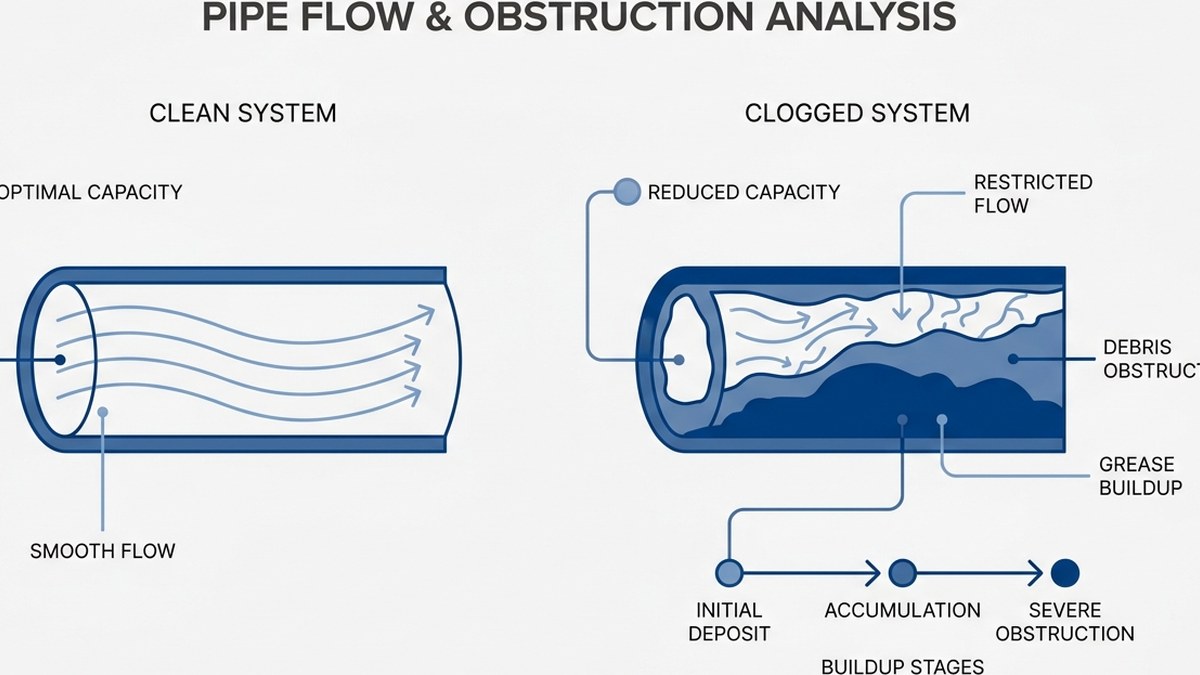
Symptoms: Persistent backups that return after cleaning, foul odors near the building perimeter, soggy ground or sinkholes above the line route, visible sewage surfacing outside.
Causes:
Solution: Camera diagnostics map the exact break location and determine pipe condition throughout the system. Trenchless sewer replacement technology eliminates the need for extensive excavation in most scenarios. Pipe bursting or pull-through lining replaces the damaged section with minimal surface disruption.
Traditional excavation remains necessary for catastrophic breaks or cases requiring regrading. Facilities across the Greater Columbus area benefit from working with contractors who own excavation equipment. Waiting for subcontractors adds days to downtime. Our in-house hydro excavation truck handles both diagnostics and repair in a single mobilization.
Takeaway: Sewer line breaks announce themselves through persistent symptoms that cleaning cannot resolve.
Symptoms: No hot water during peak usage, inconsistent temperature fluctuations, visible leaks pooling beneath the unit, rust-colored water from hot taps, strange popping or rumbling sounds during heating cycles.
Causes:
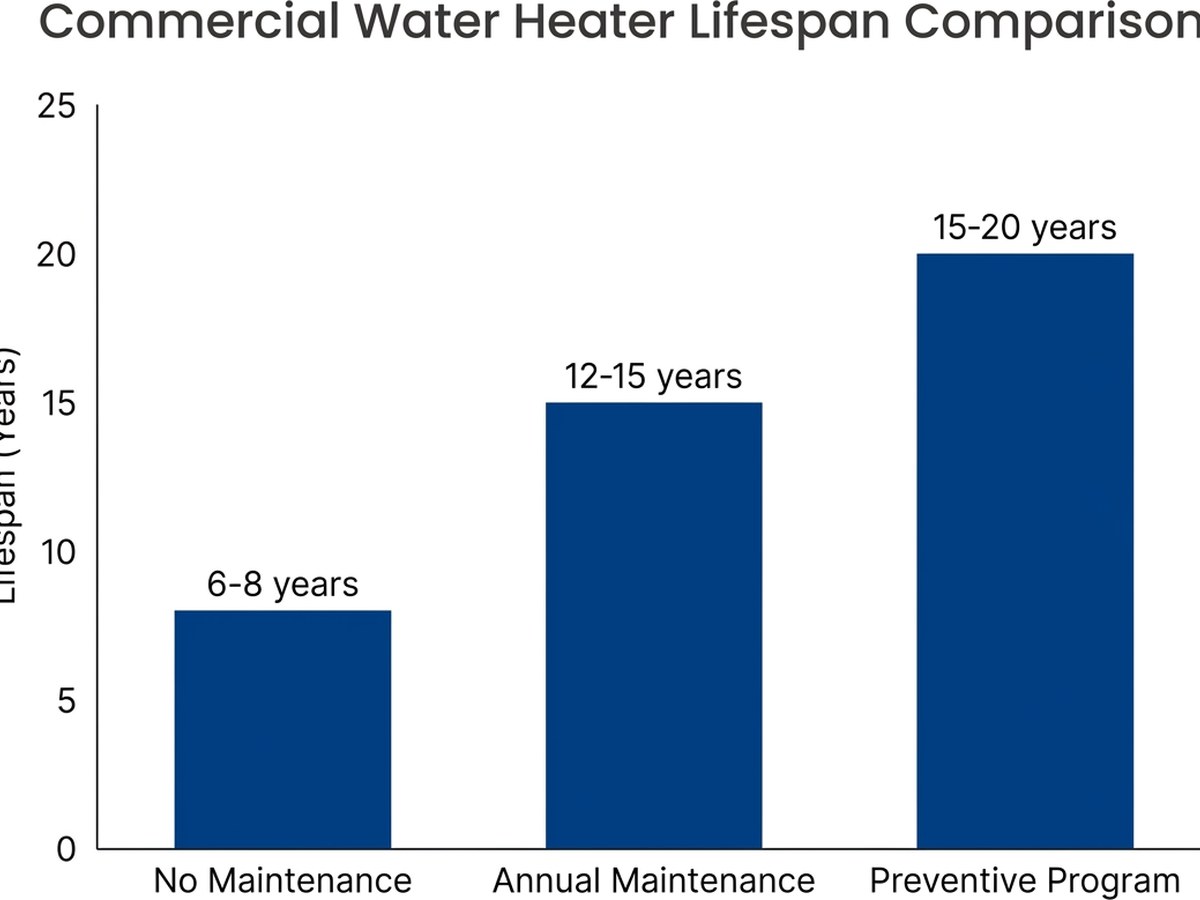
Solution: Annual flushing removes sediment before it hardens and damages heating elements. Anode rod replacement extends tank lifespan by 5 to 10 years. Thermostat testing and recalibration prevent temperature swings that interrupt operations.
High-demand facilities should evaluate tankless systems or hybrid heat pump models. A 200-person office building pushing a single 80-gallon tank beyond capacity will experience failure cycles every 18 to 24 months. Right-sizing the system eliminates chronic breakdowns. ASHRAE water heater maintenance guidelines recommend quarterly inspection intervals for commercial installations.
Takeaway: Water heater failures disrupt operations and create safety hazards when maintenance lapses.
Symptoms: Annual test failure, water contamination risk flags, visible leaks at valve connections, whistling or banging sounds when water flows through the device.
Causes:
Solution: Annual backflow preventer testing is required by code in commercial facilities. A certified tester inspects internal components, verifies proper operation, and documents compliance. Test failure triggers immediate repair or replacement before the facility can continue operations.
Regular testing catches valve wear before contamination occurs. Backflow events introduce non-potable water into the drinking supply, creating immediate health code violations. Facilities without documented annual testing face fines and temporary closure orders. EPA cross-connection control guidelines establish federal baseline requirements, and facility managers carry responsibility for maintaining current certifications.
Takeaway: Backflow preventer compliance is non-negotiable and requires annual professional testing.
Symptoms (food service facilities): Foul odors near kitchen drains, slow drainage in sinks and floor drains, visible grease floating in the trap, sewage backup in kitchen areas, health inspector violations.
Causes:
Solution: Scheduled grease trap pumping prevents overflows and compliance violations. High-volume kitchens require monthly service. Mid-volume operations maintain quarterly intervals. Pumping frequency depends on trap size and daily throughput.
Professional cleaning includes baffle inspection, inlet and outlet testing, and full documentation for health department audits. FDA food code guidelines and local health regulations mandate specific cleaning intervals based on trap capacity. Facilities without documented compliance face immediate violations during health inspections.
Takeaway: Grease trap maintenance is a scheduled compliance requirement, not an optional service.
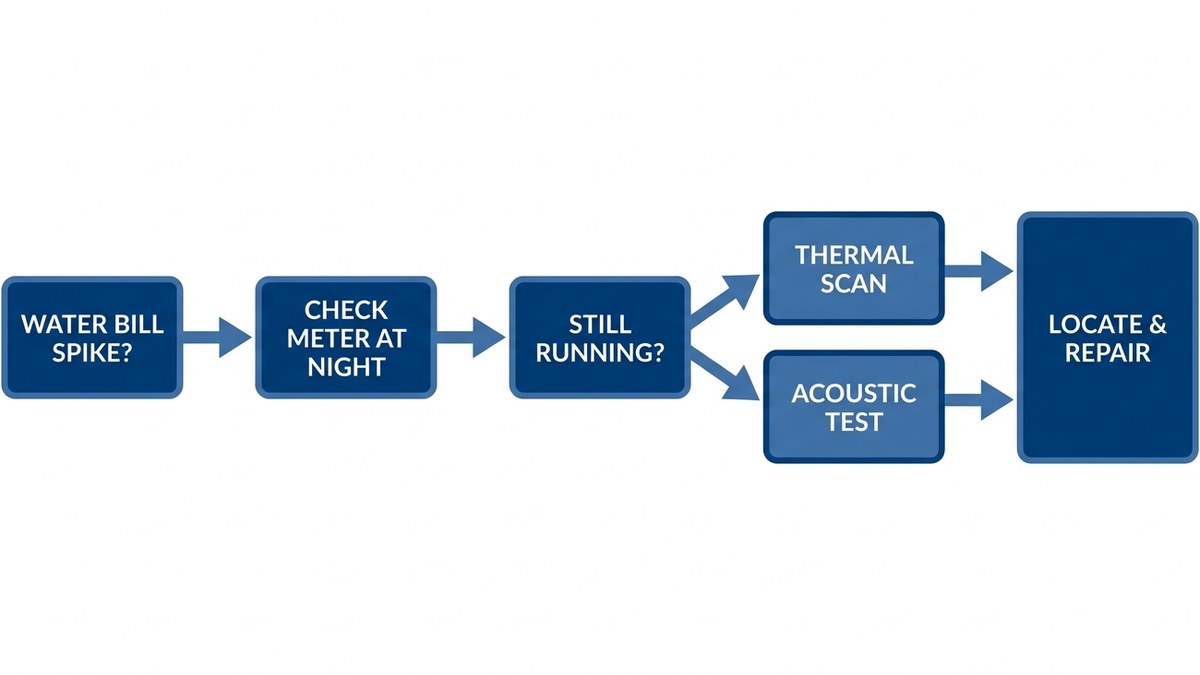
Symptoms: Unexplained water bill increases, ceiling stains or discoloration, musty odors indicating mold growth, damp spots on walls or floors, continuous water meter activity when fixtures are off.
Causes:
Solution: Professional leak detection service uses thermal imaging, acoustic listening devices, and pressure testing to locate hidden leaks without destructive exploration. Early detection limits water damage repair costs and prevents mold remediation expenses that exceed the plumbing repair by 5 to 10 times.
Annual pressure testing identifies weak points before they fail. Facilities with aging pipe infrastructure (30+ years) benefit from proactive inspection programs that catch deterioration early. Water bills provide the clearest early warning. According to the EPA WaterSense program, a sudden 10-15% increase in water usage with no operational change typically indicates an active leak. Documented leak detection protocols reduce total loss by catching problems within days instead of months.
Takeaway: Hidden leaks announce themselves through water bills before visible damage appears.
Symptoms: Constant running water, visible leaks at connections, frequent clogs requiring plunging, handles or flush mechanisms breaking, inconsistent water flow or temperature.
Causes:
Solution: Scheduled fixture inspection and replacement cycles prevent chronic failures. Commercial-grade components last 3 to 5 years under normal use. High-traffic restrooms require annual audits to identify worn parts before they fail during peak occupancy.
Fixture selection matters. A retail facility installing residential-grade toilets will face constant service calls. Industry specifications from manufacturers like Sloan and Zurn show institutional models withstand 200+ daily cycles, while residential units degrade after 50. Investing in appropriate fixtures reduces lifetime maintenance cost despite higher initial purchase prices.
Takeaway: Commercial fixtures require industrial-grade components and scheduled replacement cycles.
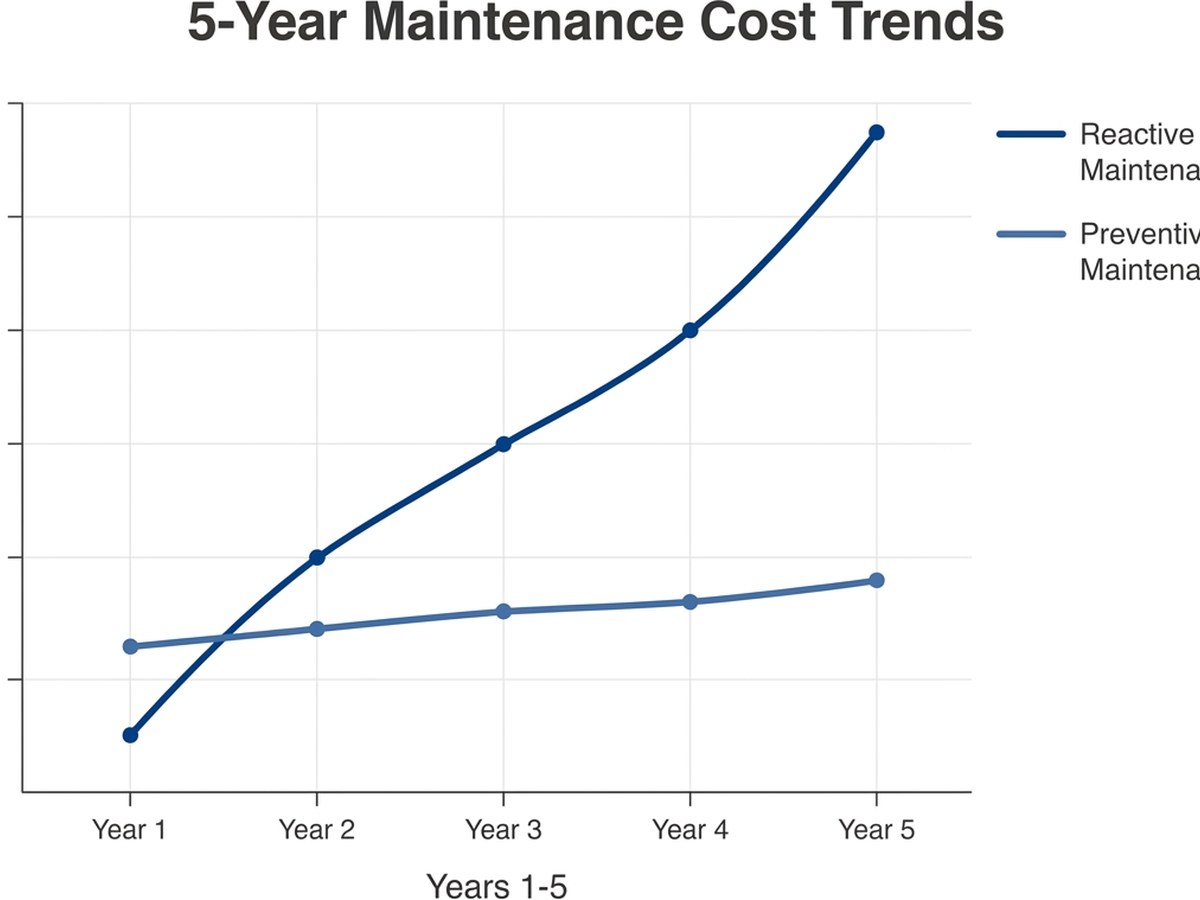
Reactive service calls cost more and cause more disruption than scheduled maintenance. The preventive maintenance framework shifts facilities from emergency firefighting to predictable operational control. Seven service intervals form the foundation.
Quarterly drain jetting keeps main lines clear before grease and debris accumulate into blockages. Camera inspection during each service documents pipe condition and identifies developing problems. High-risk facilities (food service, healthcare, multi-tenant) benefit from monthly intervals.
Annual backflow preventer testing maintains code compliance and prevents contamination events. Certified testing includes internal component inspection, valve operation verification, and documented reporting for regulatory audits.
Semi-annual water heater service includes sediment flushing, anode rod inspection, thermostat testing, and pressure relief valve verification. Commercial units under continuous demand degrade faster than residential installations.
Monthly or quarterly grease trap pumping (food service facilities) prevents overflows and health code violations. Service frequency depends on trap size and kitchen volume. Documentation proves compliance during health inspections.
Annual fixture audits identify worn components before they fail. Toilet flappers, urinal flush valves, faucet cartridges, and supply line connections reach end of life on predictable cycles. Replacing parts during scheduled maintenance costs less than emergency calls for failed fixtures during business hours.
Bi-annual pressure testing and leak detection catches hidden leaks before water damage occurs. Thermal imaging and acoustic testing locate problems behind walls without destructive exploration.
Annual sewer line camera inspection documents pipe condition and identifies root intrusion, corrosion, or structural issues developing slowly. Early detection allows planned replacement instead of emergency excavation.
At Plumbing & Drain Professionals, we maintain commercial facilities across Columbus under documented service agreements. Facilities that adopt quarterly maintenance schedules experience fewer emergency service calls compared to those relying solely on reactive repairs. The cost difference between scheduled prevention and emergency response typically exceeds the maintenance program investment within the first year.
Preventive maintenance creates predictable operational budgets. Facility managers schedule service during low-occupancy periods instead of scrambling for emergency crews on nights and weekends. Compliance documentation stays current without last-minute testing rushes. Equipment reaches full service life instead of failing prematurely from neglect.
The framework works because it addresses problems before they interrupt operations. A $300 quarterly drain cleaning prevents a $5,000 emergency excavation. A $150 annual backflow test avoids a health code violation that shuts down the facility. Investing in prevention delivers immediate ROI through avoided downtime cost.
Not every plumbing issue requires professional response. Minor adjustments and basic troubleshooting fall within facility maintenance team capabilities. Three decision points separate DIY fixes from specialist calls.
Red flags requiring immediate professional response:
These scenarios carry operational shutdown risk or safety hazards. Delaying response increases damage cost and extends downtime. Contact emergency plumbing services immediately when red flags appear.
Issues requiring scheduled specialist service (non-emergency):
Schedule these repairs within 48 to 72 hours. The problems disrupt operations but do not create immediate hazards. Bundling multiple minor repairs into single service visits reduces total maintenance cost.
Maintenance tasks facility teams can handle:
Facility maintenance staff with basic plumbing knowledge perform these tasks during routine rounds. Professional guidance during initial training builds internal capability and reduces service call volume.
The 24/7 emergency response distinction matters. At Plumbing & Drain Professionals serving the Greater Columbus area, we answer emergency calls around the clock with no after-hours fees for PlumbGuard maintenance program clients. When a main line fails at 2 a.m., licensed crews respond immediately. Transparent pricing, documented work, and owned equipment eliminate the subcontracting delays that double downtime.
Takeaway: Know the difference between immediate emergencies, scheduled repairs, and internal maintenance tasks.
The subcontracting delay problem compounds every plumbing emergency involving underground infrastructure. A facility manager calls a plumber for a persistent backup. Camera inspection reveals a collapsed main line 15 feet underground. The plumber quotes the repair but doesn't own excavation equipment. A separate excavation contractor gets scheduled for later in the week. The facility remains shut down for three to five additional days waiting for crews to coordinate.
In-house excavation capability eliminates the handoff. The same crew that runs the camera owns the hydro excavation truck. Diagnostics, excavation, repair, and backfill happen in one continuous mobilization. Downtime compresses from days to hours.
Trenchless technology reduces surface disruption but still requires specialized equipment. Pipe bursting machines, pull-through lining rigs, and lateral reinstatement tools represent significant capital investment. Contractors who own the full toolkit complete repairs without waiting for rental availability or subcontractor scheduling.
At Plumbing & Drain Professionals, we invested in owned excavation equipment specifically to serve commercial facility managers who cannot afford extended downtime. Our hydro excavation truck, trenchless replacement systems, and camera inspection fleet operate as integrated capabilities. One phone call brings the complete solution.
The accountability advantage extends beyond speed. When a single contractor owns every phase of the work, responsibility never shifts between parties. Documentation tracks seamlessly from initial inspection through final testing. Warranty coverage applies to the entire repair, not fragmented pieces handled by different vendors.
Facility managers benefit from transparent project timelines. A contractor who owns excavation equipment provides accurate completion estimates because they control every variable. No waiting on subcontractor availability. No surprise delays when rental equipment breaks down. The crew that starts the job finishes the job.
Takeaway: In-house excavation capability compresses emergency response time and eliminates subcontracting uncertainty.
Commercial plumbing problems and solutions require a strategic approach that addresses both immediate failures and long-term system health. Main line clogs, sewer failures, water heater breakdowns, backflow violations, grease trap overflows, hidden leaks, and fixture failures all share a common thread: they escalate from minor maintenance tasks into catastrophic shutdowns when preventive service lapses.
The seven-point maintenance framework outlined above addresses each common commercial plumbing problem before it interrupts operations. Quarterly drain jetting, annual backflow testing, scheduled water heater service, grease trap pumping, fixture audits, leak detection, and sewer camera inspections create predictable operational control. Documented compliance meets regulatory requirements. Scheduled service during low-occupancy periods avoids emergency response surcharges.
In-house excavation capability and 24/7 emergency response separate commercial plumbing specialists from residential contractors who answer occasional service calls. Facility managers need partners who understand downtime cost, own the equipment to execute complete repairs, and maintain documented service histories that support compliance audits.
At Plumbing & Drain Professionals, we've maintained commercial facilities across Greater Columbus for over a decade. Our PlumbGuard preventive maintenance program delivers the service intervals documented above with transparent scheduling, licensed crews, and owned excavation equipment. Clients move from reactive firefighting to predictable operations with lower total maintenance spend.
Addressing facility plumbing issues proactively protects operations, reduces costs, and ensures compliance. Understanding the warning signs of commercial drain problems and plumbing system failures allows you to take action before emergency situations develop.
Ready to reduce emergency calls and keep your facility compliant? Request a custom maintenance quote and let's build a PlumbGuard plan that fits your schedule and budget.
Book a service request or consultation. We respond quickly and operate to professional service standards.
We’re Happy to Confirm
If your property is located in or around the Greater Columbus area and you don’t see your city listed, our team can quickly confirm coverage and service options.