2026-09-17
18
min read
Commercial gas line services include installation (new construction, equipment hookups, capacity upgrades), repair (leak detection, pipe replacement, pressure testing), safety inspections (code compliance, leak surveys, pressure monitoring), and emergency response (leak shutoff, evacuation support, rapid restoration). Facility managers are responsible for scheduled inspections, documented compliance, and contractor accountability to prevent downtime and regulatory exposure.
Gas line failures shut down operations immediately. A detected leak triggers mandatory evacuation, emergency responder notification, and operational suspension until the system is cleared and re-certified. For facility managers overseeing restaurants, retail locations, healthcare facilities, industrial sites, or multi-tenant buildings across Greater Columbus, gas infrastructure represents both an operational necessity and a liability exposure point. The problem: gas lines are underground, behind walls, or inherited from previous operators with incomplete documentation. By the time a problem surfaces, the clock is already running on downtime cost and compliance violation exposure.
Trusted Plumbing Services Built on Experience and Accountability include gas line installation, repair, inspection, and emergency response built for facility uptime accountability. This guide walks through the full commercial gas line service lifecycle from the facility manager's operational perspective. You'll learn what compliance checkpoints you're accountable for, when licensed commercial contractors are required, and how preventive maintenance shifts gas line service from reactive crisis management to predictable operational planning.
Commercial gas line infrastructure operates under fundamentally different requirements than residential systems. Capacity demands are higher: commercial kitchens, boiler arrays, and HVAC systems draw significantly more gas volume than household appliances. Code enforcement is stricter: local authorities having jurisdiction (AHJs) require documented pressure testing, permit verification, and inspection sign-off for commercial installations. Downtime costs are measurable. Every hour a restaurant can't operate kitchen equipment or a healthcare facility loses hot water translates to quantifiable revenue loss and patient care disruption.
Facility managers inherit complex systems with incomplete documentation. Previous operators may have installed lines without permits, modified capacity without engineering review, or skipped scheduled inspections. When a problem emerges, the facility manager is accountable, not the previous owner, not the contractor who installed the work five years ago, not the general maintenance vendor. Regulatory agencies and insurance carriers hold the current facility manager responsible for compliance, even when the violation predates their tenure.
Reliable Local Service Backed by Professional Standards requires contractors with commercial-scale capability. Commercial gas line work demands licensed contractors equipped with excavation equipment, pressure testing instruments, electronic leak detection tools, and code-compliant documentation systems. General contractors and residential plumbing specialists lack this infrastructure. They subcontract excavation work (introducing coordination delays and accountability gaps), use residential-grade materials not rated for commercial capacity, and produce handwritten service notes that won't satisfy audit requirements.
If you're a homeowner looking for residential gas line service, Residential Plumbing Services for Greater Columbus Homeowners serves the area with the same licensed team and accountability standards. This guide is written for facility managers and property managers overseeing commercial properties where operational continuity and compliance documentation are non-negotiable requirements.
Commercial gas line service spans five operational categories, each triggered by different events and each carrying specific compliance obligations. Facility managers must understand what service type a situation requires, what documentation is mandatory, and what timeline applies.
| Service Type | Triggering Event | Facility Manager Accountability |
|---|---|---|
| New Installation | New construction, equipment replacement, tenant improvement | Permit acquisition, code-compliant design, pressure testing documentation, inspection sign-off |
| Capacity Upgrade | Additional equipment load, tenant expansion, appliance replacement with higher BTU rating | Engineering review, line sizing calculation, permit compliance, system re-testing |
| Leak Repair | Detected gas odor, pressure drop, electronic leak detection alert, visible corrosion | Immediate shutoff, emergency response coordination, repair documentation, re-testing before restoration |
| Safety Inspection | Annual compliance requirement, post-repair verification, insurance mandate, tenant turnover | Scheduled inspection execution, documented findings, corrective action completion, audit-ready records |
| Emergency Response | Gas leak emergency, equipment malfunction, tenant evacuation, regulatory notification | 24/7 contractor availability, rapid shutoff execution, facility restoration timeline, incident documentation |
Each service type requires a licensed commercial gas contractor. General maintenance vendors cannot pull gas line permits, execute pressure testing, or certify code compliance. Book an Appointment With Plumbing & Drain Professionals from contractors equipped to handle commercial-scale capacity calculations, permit coordination, and documented compliance.
New gas line installations serve new construction projects, equipment replacements, and tenant improvements requiring gas service. Common scenarios include commercial kitchen buildouts (ranges, ovens, fryers, griddles), boiler replacements (heating systems, hot water generation), HVAC installations (rooftop units, makeup air systems), and manufacturing equipment hookups (furnaces, dryers, process heating). Each installation requires permit acquisition before work begins, engineering review of capacity requirements, code-compliant materials and installation methods, pressure testing at specified intervals, and final inspection sign-off before the line goes live.
According to ARPA-E hot water systems infrastructure data, commercial gas line installations frequently serve hot water systems, boilers, and HVAC equipment that fall under the facility manager's operational accountability. When a tenant requests gas service for a new commercial kitchen, the facility manager is responsible for ensuring the building's gas supply capacity supports the additional load. Undersized lines create pressure drops that affect all connected equipment. Oversized lines waste installation cost and complicate future modifications.
Capacity upgrades happen when existing gas lines can't support new equipment loads. A restaurant replacing an old range with a high-BTU unit discovers the existing line delivers insufficient pressure during peak demand. A healthcare facility adds a second boiler for redundancy and learns the main service line lacks capacity for both units running simultaneously. Each scenario requires engineering review: calculating total connected load, measuring actual delivery pressure, sizing new pipe diameter, and routing the upgrade to meet code setback requirements.
Permit requirements vary by jurisdiction but universally apply to commercial gas line work. Local building departments require permit applications with engineering drawings, contractor license verification, and insurance certificates before issuing approval. Inspections occur at rough-in (pipe installed but not buried or enclosed), pressure testing (system charged and monitored for leaks), and final (all work complete, ready for service). Missing permits or failed inspections halt construction timelines and expose facility managers to stop-work orders.
Compliance with building codes is not optional. EPA compliance standards for plumbing products establish that facility managers are responsible for ensuring gas line installations meet federal and local requirements to avoid liability exposure. Code violations discovered during insurance inspections or regulatory audits can trigger coverage exclusions, fines, and mandatory corrective action at the facility manager's expense.
Gas leaks demand immediate response. Detection methods include visual inspection (corrosion, damaged fittings, vegetation die-off above buried lines), pressure monitoring (unexplained pressure drops indicate system leaks), electronic leak detection (handheld sensors measure gas concentration in air), and odor recognition (mercaptan odorant added to natural gas for safety). Once detected, leaks trigger mandatory protocols: immediate gas shutoff at the meter or upstream valve, facility evacuation if concentration reaches lower explosive limit, emergency responder notification (fire department, gas utility), and contractor dispatch for isolation and repair.
Repair scope depends on leak location and severity. Small leaks at fittings may require joint re-sealing with approved thread sealant and torque verification. Corroded pipe sections demand full replacement with code-compliant materials (black iron, corrugated stainless steel tubing, polyethylene for underground). Major leaks affecting buried service lines require excavation or trenchless replacement methods. Every repair, regardless of scale, requires pressure testing before the system returns to service. The contractor charges the line to operating pressure, isolates it from supply, and monitors for pressure drop over a specified duration (typically 15 minutes to one hour depending on system volume and code requirements).
Trenchless replacement methods minimize surface disruption for commercial facilities. Traditional excavation requires tearing up pavement, landscaping, or interior floors to access buried lines. Trenchless methods (pipe bursting, slip lining, or directional drilling) replace underground gas lines with minimal surface disturbance, reducing restoration costs and construction timelines. This makes them especially valuable for facilities that cannot afford extended operational disruption or parking lot closures.
Emergency leak response protocols follow a strict sequence. The contractor confirms the leak location using electronic detection equipment, shuts off gas supply at the nearest upstream valve, ventilates the affected area to disperse accumulated gas, isolates the damaged section with temporary caps or plugs, executes permanent repairs, pressure-tests the entire affected system, purges air from the line before restoration, and coordinates final inspection with the AHJ before returning the system to service.
Scheduled inspections shift gas line service from reactive emergency response to predictive operational planning. Inspection intervals vary by jurisdiction: some require annual inspections for all commercial gas systems, others mandate inspections only for high-occupancy buildings or specific equipment types (commercial kitchens, boiler rooms, industrial processes). Facility managers must verify local requirements with their AHJ and maintain inspection records for audit readiness.
Inspection scope includes visual examination of exposed piping (checking for corrosion, mechanical damage, improper support, code violations), leak surveys using electronic detection equipment, pressure testing of isolated system sections, documentation of all findings (compliant conditions, deficiencies requiring correction, immediate safety hazards), and written recommendations for maintenance or repairs. Licensed contractors provide formal inspection reports documenting findings, corrective actions required, and compliance status.
Book an Appointment With Plumbing & Drain Professionals to meet compliance deadlines and maintain audit-ready documentation. Inspections are not optional for commercial properties. They're regulatory requirements enforced through building department oversight, insurance policy conditions, and tenant lease obligations. Failure to complete scheduled inspections exposes facility managers to violation notices, insurance claim denials, and tenant liability claims if equipment failures result from undiscovered defects.
Commercial gas line installations must comply with NFPA 54 (National Fuel Gas Code) and local jurisdiction amendments. NFPA 54 establishes minimum standards for gas piping design, materials, installation methods, pressure testing, inspection requirements, and appliance connections. Local AHJs adopt NFPA 54 as a baseline and layer additional requirements specific to regional conditions (seismic zones, climate factors, high-occupancy building classifications).
The International Fuel Gas Code (IFGC) sets parallel standards adopted by many jurisdictions. IFGC and NFPA 54 address similar requirements but differ in specific details. Facility managers must verify which code their local jurisdiction enforces. Both codes require licensed contractors for installation work, permit acquisition before construction begins, pressure testing at specified intervals, and final inspection sign-off before systems go live.
Documentation requirements create the audit trail facility managers need for compliance verification. Every gas line installation generates a permit file (application, drawings, contractor licenses, insurance certificates, inspection records, final sign-off). Every repair produces a service record (work performed, materials used, pressure test results, code compliance verification). Every scheduled inspection yields a formal report (findings, deficiencies, corrective actions, compliance status). Facility managers must maintain these documents for the life of the installation. Regulatory agencies and insurance carriers request them during audits, claim investigations, or incident reviews.
Liability exposure compounds when documentation is missing. A gas line installed without permits creates a code violation that persists until corrected with no statute of limitations. If a leak occurs years later and investigators discover the unpermitted installation, liability falls on the current facility manager even though they didn't authorize the original work. Insurance carriers may deny claims related to unpermitted work, citing policy exclusions for code violations.
According to ARPA-E energy infrastructure guidelines, commercial gas systems serving hot water generation, HVAC equipment, and process heating represent significant facility assets requiring documented compliance protocols. Facility managers who treat gas line service as informal "fix it when it breaks" maintenance expose their organizations to preventable risk.
Compliance calendars vary by facility type. High-occupancy buildings (schools, healthcare facilities, hotels, multi-tenant offices) face stricter inspection intervals than low-occupancy warehouses or industrial sites. Commercial kitchens with multiple gas appliances require more frequent leak surveys than retail spaces with single-unit HVAC systems. Facility managers must map compliance requirements to their specific facility portfolio and schedule service accordingly.
Gas line work is never DIY. No exceptions. State and local codes universally require licensed contractors for gas line installation, modification, and repair. Unlicensed work creates immediate code violations, voids insurance coverage, and exposes facility managers to criminal liability if accidents occur. General maintenance staff cannot legally touch gas piping. Even simple tasks like appliance disconnection require licensed contractor involvement.
But not all licensed contractors are equipped for commercial-scale work. Residential plumbing specialists hold valid licenses but lack the equipment, materials, and experience for commercial capacity systems, high-pressure installations, multi-unit buildings, or excavation-intensive projects. Facility managers who route commercial gas work to residential contractors face project delays, cost overruns, and compliance failures.
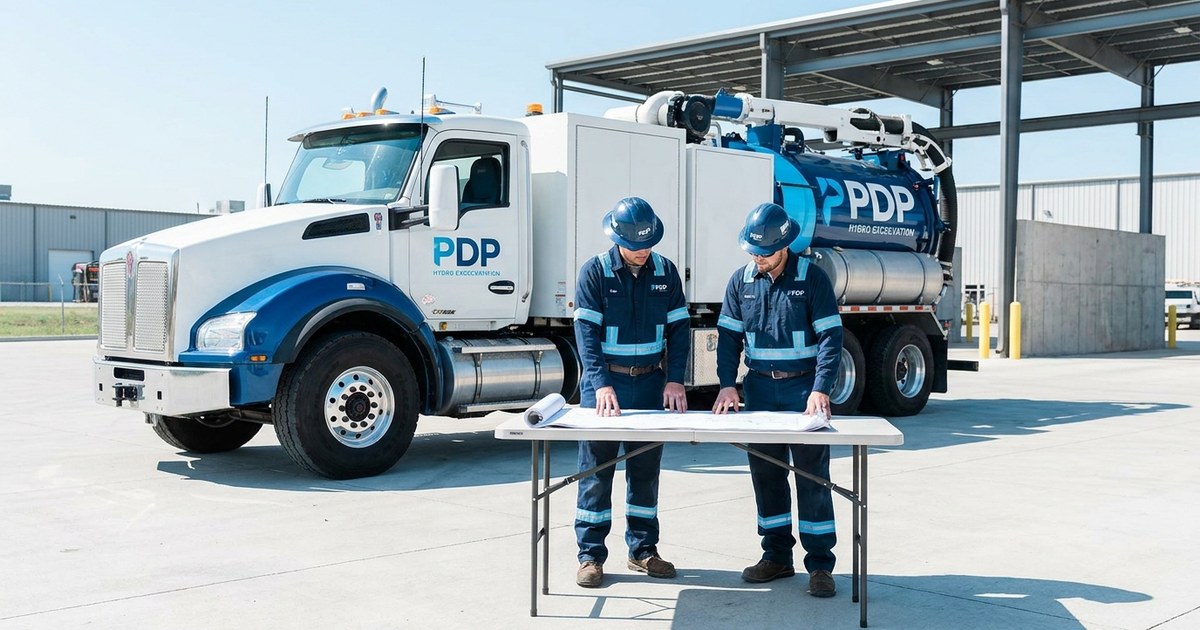
The capability gap shows in equipment ownership. Commercial gas line contractors own excavation equipment (backhoes, hydro excavation trucks, trenching machines) for accessing buried lines. They maintain commercial-grade pressure testing equipment rated for high-volume systems. They stock materials in commercial pipe sizes (1.5-inch, 2-inch, 3-inch, 4-inch diameter) beyond residential inventory. They employ crews trained in commercial code requirements, multi-unit building coordination, and AHJ inspection protocols.
Decision criteria for contractor selection require verifying essential qualifications:
Red flags indicating the contractor cannot handle commercial work include subcontracting excavation work, providing verbal estimates without written documentation, being unable to produce insurance certificates on request, unfamiliarity with commercial code requirements (NFPA 54, IFGC, local AHJ amendments), and working business hours only with no emergency response capability.
Questions to ask on the first call:
Commercial Plumbing Services in Gahanna, OH demonstrate the operational accountability facility managers need: in-house excavation team, documented service protocols, 24/7 emergency response, and years serving Greater Columbus facilities. The contractor relationship is a long-term operational partnership, not a transactional service call. Facility managers overseeing multiple properties or large facilities need contractors who understand compliance calendars, maintain service histories across sites, and coordinate emergency response when multiple properties require simultaneous support.
Preventive maintenance shifts gas line service from reactive crisis management to scheduled operational planning. Proactive Plumbing Maintenance Built for Business Continuity provides scheduled inspections, leak surveys, pressure monitoring, and documented compliance reporting built for facility managers who need vendor accountability and audit-ready records.
PlumbGuard operates on scheduled service intervals aligned to compliance requirements and facility operational calendars. Annual inspections occur on fixed dates (eliminating the "we forgot to schedule it" compliance gap). Leak surveys use electronic detection equipment to identify developing problems before they become emergencies. Pressure monitoring tracks system performance over time to detect gradual degradation indicating corrosion, blockage, or capacity issues. Every service event generates a formal report documenting findings, corrective actions required, and compliance status.
The operational outcome: fewer emergency calls, predictable maintenance budgets, and compliance audit readiness. Scheduled gas line inspections reduce emergency calls by identifying and correcting minor issues before they escalate to leak emergencies. Facilities enrolled in PlumbGuard maintain complete service histories. When auditors or insurers request proof of scheduled maintenance, PlumbGuard clients produce documented records covering the entire service lifecycle.
PlumbGuard documentation satisfies compliance requirements without administrative burden. Every inspection report includes findings summary (compliant conditions, deficiencies identified, immediate safety hazards), corrective action recommendations with priority levels, compliance status verification (meets code requirements, requires follow-up work, failed inspection), pressure test results with pass/fail determination, and photographic documentation of installed conditions. Facility managers receive reports electronically and can request historical records for any property or equipment on demand.
The vendor accountability advantage eliminates finger-pointing. Single-contractor preventive maintenance means one team knows the entire system history, maintains consistent documentation standards, and owns all service outcomes. When a gas line issue emerges, the PlumbGuard contractor already knows the installation history, previous repairs, equipment configurations, and compliance status. No learning curve, no redundant inspections, no "we need to figure out what the last guy did" delays.
Preventive maintenance also extends equipment life. Gas-fired appliances (boilers, water heaters, commercial kitchen equipment) depend on consistent gas pressure and clean fuel supply. Pressure drops from undersized lines or partially blocked fittings force equipment to work harder, accelerating wear and reducing efficiency. Leak surveys detect small leaks before they corrode piping or create safety hazards. Regular inspections identify support failures, mechanical damage, or corrosion in early stages when repairs are simple and inexpensive.
Gas leaks are time-critical emergencies requiring immediate professional response. Plumbing & Drain Services Across the Greater Columbus Area activate a structured response sequence designed to shut off gas supply, secure the facility, and restore service as rapidly as code compliance and safety allow.
Step 1: Emergency call received. Our emergency line is staffed 24/7. No voicemail, no answering service, no "call back during business hours." The dispatcher collects essential information: facility location, nature of emergency (detected leak, gas odor, equipment malfunction, evacuation in progress), occupancy status, and contact information for on-site facility staff. Dispatch immediately alerts the on-call licensed technician and provides GPS routing to the facility.
Step 2: Technician dispatched. Our technicians carry electronic leak detection equipment, emergency shutoff tools, temporary capping supplies, and safety gear in fully stocked service vehicles. Response time depends on technician location and traffic conditions. Typical response across the Greater Columbus area is 30 to 60 minutes. For PlumbGuard clients, response is guaranteed same-day with no after-hours surcharge.
Step 3: On-site assessment and shutoff. The technician arrives, meets facility staff, reviews the situation, and uses electronic leak detection to confirm the leak location and severity. If gas concentration approaches lower explosive limit or occupants report strong odor, the technician immediately shuts off gas supply at the meter or upstream valve. For localized leaks, the technician may isolate the affected section while maintaining service to unaffected areas.
Step 4: Leak isolation and temporary securing. The technician caps or plugs the damaged section to prevent further gas release, ventilates affected areas to disperse accumulated gas, and coordinates with emergency responders if evacuation occurred. The facility remains in "gas off" status until repairs are complete and pressure testing verifies system integrity.
Step 5: Permanent repair execution. Depending on leak severity and location, repairs may occur immediately (simple fitting repair or joint re-sealing) or require excavation, parts procurement, and multi-hour work (pipe replacement, buried line repair). The technician explains repair scope, provides timeline estimate, and obtains facility manager approval before proceeding. For complex repairs requiring excavation or AHJ inspection, the technician coordinates permit requirements and schedules follow-up work.
Step 6: Pressure testing and system restoration. After repairs, the technician pressure-tests the affected system section, charging the line to operating pressure, isolating it from supply, and monitoring for pressure drop over code-required duration. Passing the test confirms leak-free operation. The technician then purges air from the line, restores gas supply, tests all connected appliances for proper operation, and provides written documentation of work performed, pressure test results, and compliance verification.
Step 7: Documentation and follow-up. The facility manager receives a formal service report documenting the emergency response timeline, leak location and cause, repair work performed, pressure test results, and recommendations for preventing future failures. For PlumbGuard clients, the service event is logged in the facility's maintenance history for compliance tracking and audit readiness.
The no-after-hours-fee policy eliminates the financial penalty for calling when emergencies happen. Many contractors charge 1.5x to 2x standard rates for nights, weekends, and holidays. This pricing structure incentivizes facility managers to delay emergency calls until business hours, increasing safety risk and downtime cost. PlumbGuard clients receive same-day emergency service at standard rates regardless of when the call occurs.
How often do commercial gas lines need inspection?
Inspection intervals vary by jurisdiction and facility type. Many local codes require annual inspections for all commercial gas systems. High-occupancy buildings (schools, healthcare facilities, hotels) face stricter inspection intervals than low-occupancy warehouses. Commercial kitchens with multiple gas appliances require more frequent leak surveys than retail spaces with single-unit HVAC systems. Facility managers must verify requirements with their local AHJ and maintain inspection records for compliance verification.
What causes gas line leaks in commercial buildings?
Common causes include corrosion (from moisture exposure, soil chemistry, or age-related deterioration), mechanical damage (from construction activity, excavation, or vehicle impact on exposed piping), joint failures (from improper installation, insufficient thread sealant, or thermal expansion stress), and vibration damage (from nearby equipment, traffic, or seismic activity). Buried lines face additional risks from tree root intrusion, soil settlement, and frost heave. Regular inspections detect early indicators (surface corrosion, loose fittings, vegetation die-off) before leaks develop.
Can you upgrade gas line capacity without shutting down operations?
Capacity upgrades typically require temporary shutoffs for tie-in work (connecting new pipe sections to existing lines) and pressure testing. However, contractors can minimize disruption by scheduling work during low-occupancy periods, phasing the installation to maintain partial service, or routing temporary lines to critical equipment. For 24-hour operations, contractors coordinate with facility managers to identify windows where brief shutoffs create minimal impact. Complete capacity assessments happen during normal operations using pressure monitoring and flow measurement.
What documentation do I need for a gas line compliance audit?
Auditors request permit files (original installation permits, modification permits, inspection records), service history (repair records, pressure test results, contractor invoices), scheduled inspection reports (annual inspections, leak surveys, compliance verifications), and current compliance status (up-to-date inspections, no outstanding deficiencies, documented corrective actions). Facility managers enrolled in preventive maintenance programs maintain this documentation automatically. Every service event generates a formal report added to the facility's permanent record.
Who is responsible for gas line maintenance in a leased property?
Responsibility depends on lease terms. Triple-net leases (NNN) typically assign building system maintenance to tenants, making the tenant responsible for gas line inspections, repairs, and compliance. Gross leases assign maintenance to landlords, making the property owner responsible. Modified gross leases split responsibilities: common area systems remain landlord responsibility, tenant spaces become tenant responsibility. Lease language defines the boundary. Regardless of lease structure, the facility manager coordinating service must ensure work is documented and compliant. Liability exposure doesn't disappear when maintenance responsibility is delegated to tenants.
For additional facility maintenance insights and plumbing guidance, explore Plumbing & Drain Professionals Blog covering commercial plumbing best practices, preventive maintenance strategies, and compliance updates.
Commercial gas line service is operational risk mitigation, not optional maintenance deferred until systems fail. Gas line failures shut down facilities immediately, trigger mandatory evacuations, expose facility managers to regulatory and liability consequences, and cost measurably in downtime, emergency contractor premiums, and compliance remediation. The operational continuity solution: scheduled inspections, documented compliance, licensed commercial contractors with excavation capability, and 24/7 emergency response built for facility uptime accountability.
Facility managers overseeing restaurants, healthcare facilities, retail locations, multi-tenant buildings, or industrial sites face gas line service responsibilities that general maintenance vendors and residential plumbers cannot fulfill. Commercial gas line work requires capacity sizing, high-pressure system expertise, permit coordination, documented compliance reporting, and in-house excavation capability. Vendor consolidation eliminates the juggling problem. One contractor handles installations, repairs, inspections, and emergency response with unified documentation and accountability.
Proactive Plumbing Maintenance Built for Business Continuity shifts gas line service from reactive crisis management to scheduled operational planning. Facilities enrolled in PlumbGuard receive annual inspections, leak surveys, pressure monitoring, and audit-ready documentation without administrative burden. The outcome: fewer emergency calls, compliance audit readiness, and vendor accountability covering the entire service lifecycle.
Need gas line installation, repair, or inspection for your commercial facility? Request a quote from Plumbing & Drain Professionals. Our in-house excavation team, PlumbGuard™ documentation, and 24/7 emergency response keep your facility compliant, operational, and audit-ready.
Book a service request or consultation. We respond quickly and operate to professional service standards.
We’re Happy to Confirm
If your property is located in or around the Greater Columbus area and you don’t see your city listed, our team can quickly confirm coverage and service options.