

When a commercial kitchen floods at 2 AM, every minute costs money. For Columbus property managers overseeing restaurants, multi-tenant buildings, and high-volume commercial kitchens, leak detection isn't just about preventing water damage: it's about protecting revenue, maintaining compliance, and avoiding catastrophic downtime.
Yet most property managers are making critical mistakes with their leak detection systems. These errors don't just risk water damage; they threaten tenant relationships, violate the 2026 Columbus Benchmarking Ordinance requirements, and inflate operational costs by thousands of dollars annually.
Here are the seven most common mistakes and how to fix them before they become expensive problems.
Mistake #1: Incorrect Sensor Placement in Commercial Kitchens
The Problem: Most property managers install leak detection sensors based on residential logic: under sinks and near obvious water sources. In commercial kitchens, this approach fails spectacularly.
Why It Matters for Your Property:
- Restaurant dishwashers cycle hundreds of gallons daily, creating splash zones that trigger false alarms when sensors are placed too close
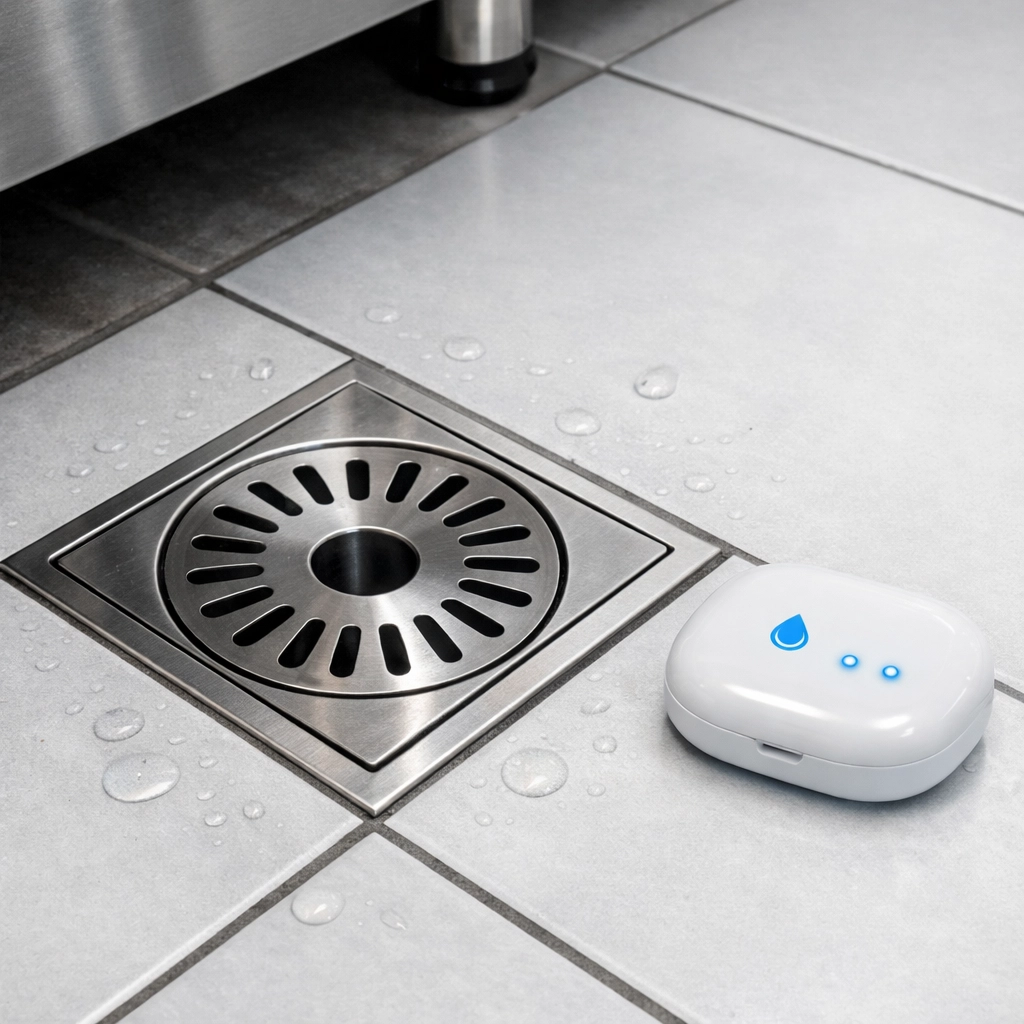
- The real danger lurks at floor drains and grease traps, where slow leaks accumulate undetected for weeks
- Walk-in coolers and ice machines often sit on raised platforms, hiding leaks until structural damage occurs
The Fix:
Position sensors at floor drains first: these capture overflow from multiple sources. Place secondary sensors 6-12 inches away from dishwashers (not directly underneath) to catch genuine leaks without false positives. For Columbus restaurants dealing with aging infrastructure, add sensors behind wall-mounted equipment where old supply lines connect.
In multi-tenant buildings with shared kitchen facilities, sensor placement at common drain lines prevents one tenant's leak from cascading into adjacent spaces.
Mistake #2: Ignoring Micro-Leaks in Aging Columbus Buildings
The Problem: Property managers often calibrate systems to detect significant water flow, missing the slow, insidious leaks that define Columbus's aging commercial building stock.
The Columbus Context:
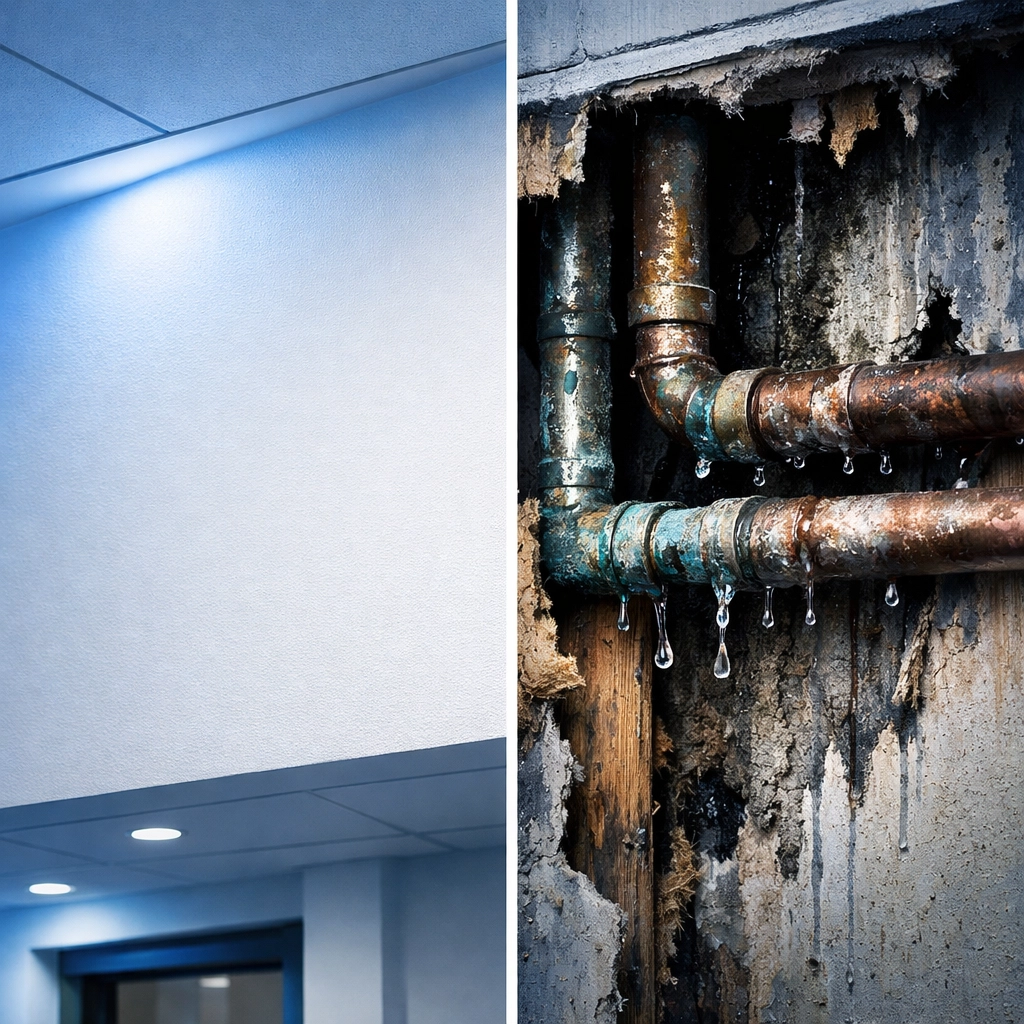
Many of our commercial buildings in German Village, Short North, and Downtown Columbus feature infrastructure from the 1960s-1980s. These properties don't fail catastrophically: they hemorrhage slowly through:
- Corroded copper joints behind finished walls
- Pinhole leaks in galvanized steel pipes
- Deteriorating wax seals on commercial toilets serving hundreds of daily users
A 50-gallon-per-day micro-leak costs $500 annually at Columbus water rates, but the hidden mold remediation bill runs $15,000-$40,000 once discovered.
The Fix:
Configure leak detection systems with adjustable sensitivity thresholds. For older buildings, set alerts for continuous flow as low as 0.5 gallons per hour during closed hours. Modern smart systems can establish baseline usage patterns, flagging anomalies that suggest hidden leaks before they become visible damage.
Property managers should schedule quarterly thermal imaging inspections in high-risk areas: your leak detection system catches active problems, but thermal cameras reveal moisture accumulation from micro-leaks before sensors trip.
Mistake #3: Lack of Automatic Shut-Off Valves in Restaurant Setups
The Problem: Detection without intervention is like having a smoke alarm with no fire suppression system.
The Restaurant Reality:
When a supply line bursts in a commercial kitchen during dinner service, minutes matter. A standard 3/4-inch supply line under 60 PSI releases approximately 12 gallons per minute: that's 720 gallons in an hour if no one's monitoring alerts.
For restaurants in Columbus's Easton or Polaris districts where weekend crowds generate 70% of weekly revenue, a flooded kitchen means:
- Immediate closure during peak hours
- Food inventory loss (health code requirements)
- Equipment damage to refrigeration and cooking appliances
- Multi-day closure for drying and sanitization
The revenue loss from one weekend closure typically exceeds $20,000-$50,000 for full-service restaurants.
The Fix:
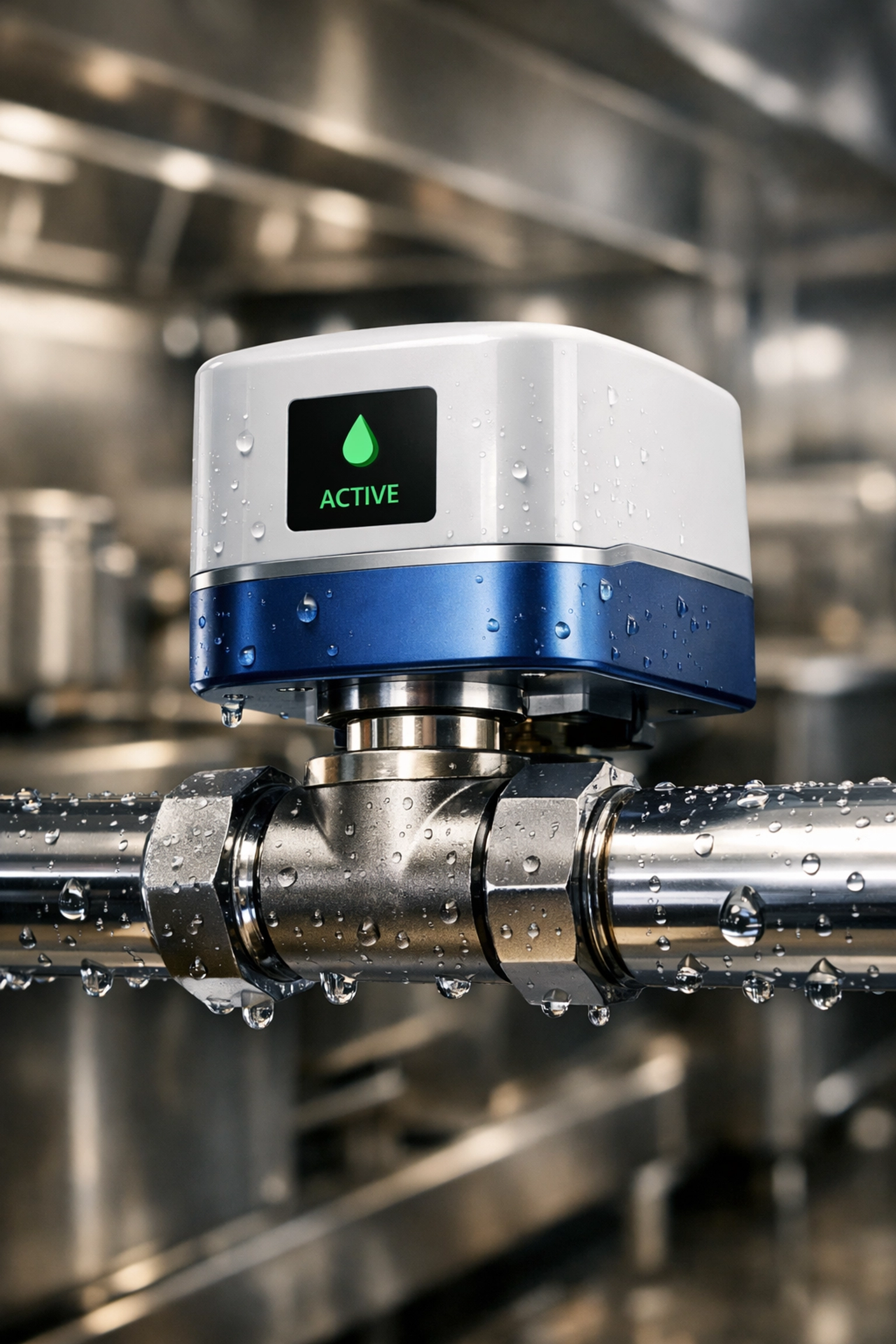
Install automatic shut-off valves integrated with your leak detection system. Modern systems close main water supplies within 3-5 seconds of detection, limiting damage to the immediate area rather than flooding entire spaces.
For kitchens, zone your shut-off valves: separate controls for prep areas, dishwashing stations, and restrooms allow targeted response without shutting down the entire operation. This approach keeps dining areas functional while isolating plumbing emergencies.
Mistake #4: Forgetting the Human Element: Staff Training
The Problem: Even the most sophisticated leak detection system fails when staff doesn't understand how to respond.
Why Training Matters in Commercial Settings:
Your restaurant managers and building maintenance teams are your first responders. They need to know:
- How to silence false alarms (without disabling the system)
- Where manual shut-off valves are located for each zone
- Who to call for after-hours emergencies (save 614-PLUMBER for 24/7 commercial service)
- What constitutes an immediate threat versus a monitoring situation
In multi-tenant commercial buildings, communication protocols matter. When a third-floor office suite springs a leak, ground-floor retail tenants need immediate notification to protect inventory and equipment.
The Fix:
Conduct quarterly leak response drills, especially with high-turnover restaurant staff. Create laminated response cards near main shut-off valves with step-by-step instructions and emergency contacts. Modern leak detection apps allow you to grant limited access to building managers: they receive alerts and can view real-time data without administrative access.
Document all incidents, no matter how minor. Pattern recognition often reveals recurring issues before they escalate into major failures.
Mistake #5: Using Residential-Grade Technology in Commercial Environments
The Problem: Consumer-grade leak detection systems aren't built for commercial demands.
The Commercial Difference:
Restaurants and commercial kitchens operate under entirely different conditions than residential properties:
- Volume: A busy restaurant uses 3,000-5,000 gallons daily versus 80-100 gallons for households
- Temperature extremes: Commercial dishwashers reach 180°F, cooking equipment generates heat, walk-in coolers create condensation: residential sensors fail in these conditions
- Chemical exposure: Commercial cleaning chemicals, grease, and sanitizers corrode standard sensors within months
- Durability requirements: Commercial sensors need IP67 waterproof ratings minimum, not IP44 splash-resistance
The Fix:
Specify commercial-grade systems from the outset. Look for:
- Sensors rated for food service environments (NSF certification preferred)
- Battery backup for continued monitoring during power outages
- Cellular connectivity backup when WiFi fails
- Integration capabilities with commercial Building Management Systems
The upfront cost difference is 30-40% higher, but commercial-grade systems last 5-7 years versus 18-24 months for consumer products in demanding environments.
Mistake #6: Not Integrating with Existing Building Management Systems
The Problem: Standalone leak detection creates information silos that prevent proactive facility management.
The Integration Opportunity:
Modern commercial properties already monitor HVAC, security, and energy usage through Building Management Systems (BMS). Your leak detection should feed into this ecosystem, providing:
- Unified alerts across all building systems
- Correlation between HVAC condensate issues and water leaks
- Automated work order generation for maintenance teams
- Historical data for insurance claims and tenant disputes
For Columbus property managers dealing with the June 2026 Benchmarking Ordinance requirements, integrated systems automatically track water usage patterns required for compliance reporting.
The Fix:
When selecting leak detection systems, prioritize BACnet or Modbus protocol compatibility: these allow integration with most commercial BMS platforms. Cloud-based systems should offer API access for custom integrations.
For existing systems, retrofit solutions exist. Third-party integration platforms can bridge legacy leak detection with modern BMS environments, though native integration always provides superior performance.
Mistake #7: Missing Benchmarking Data Benefits for 2026 Columbus Ordinance Compliance
The Problem: Property managers view leak detection purely as risk mitigation, missing its value for regulatory compliance and operational optimization.
The 2026 Columbus Context:
The Columbus Benchmarking Ordinance requires commercial buildings over 50,000 square feet to report annual water usage. Non-compliance carries penalties, but the real cost is operational: you can't optimize what you don't measure.
Smart leak detection systems provide the granular data needed for:
- Identifying usage patterns across tenant spaces
- Demonstrating conservation efforts for sustainability reporting
- Detecting inefficient fixtures before they fail
- Supporting tenant cost allocation in triple-net leases
Properties with documented water management programs often qualify for insurance discounts of 5-15% on commercial property policies.
The Fix:
Choose leak detection systems with robust data logging and reporting features. Minimum requirements include:
- Hourly usage tracking by zone
- Exportable reports for compliance documentation
- Trend analysis showing usage changes over time
- Anomaly alerts for consumption spikes that suggest hidden issues
For Columbus commercial properties, this data supports both compliance and conversations with tenants about water stewardship: especially important for properties pursuing LEED certification or targeting sustainability-focused tenants.
Don't Wait for the Next Emergency
Leak detection mistakes cost Columbus property managers thousands in avoidable damage, lost revenue, and compliance penalties. The commercial properties that thrive in 2026 and beyond treat water management as a strategic advantage, not just a risk to mitigate.
If your current leak detection system falls short on any of these seven factors, it's time for an upgrade. At Plumbing & Drain Professionals, we specialize in commercial plumbing systems designed for Columbus's unique challenges: from aging infrastructure in historic districts to high-volume operations in modern facilities.
Call 614-PLUMBER for a commercial leak detection consultation. Our team provides 24/7 emergency service for commercial properties throughout Columbus, and we'll assess your current systems against these seven critical factors: no cost, no obligation.
Your next leak is inevitable. Whether it becomes a minor incident or a business-disrupting catastrophe depends on the decisions you make today.