2026-09-30
10
min read
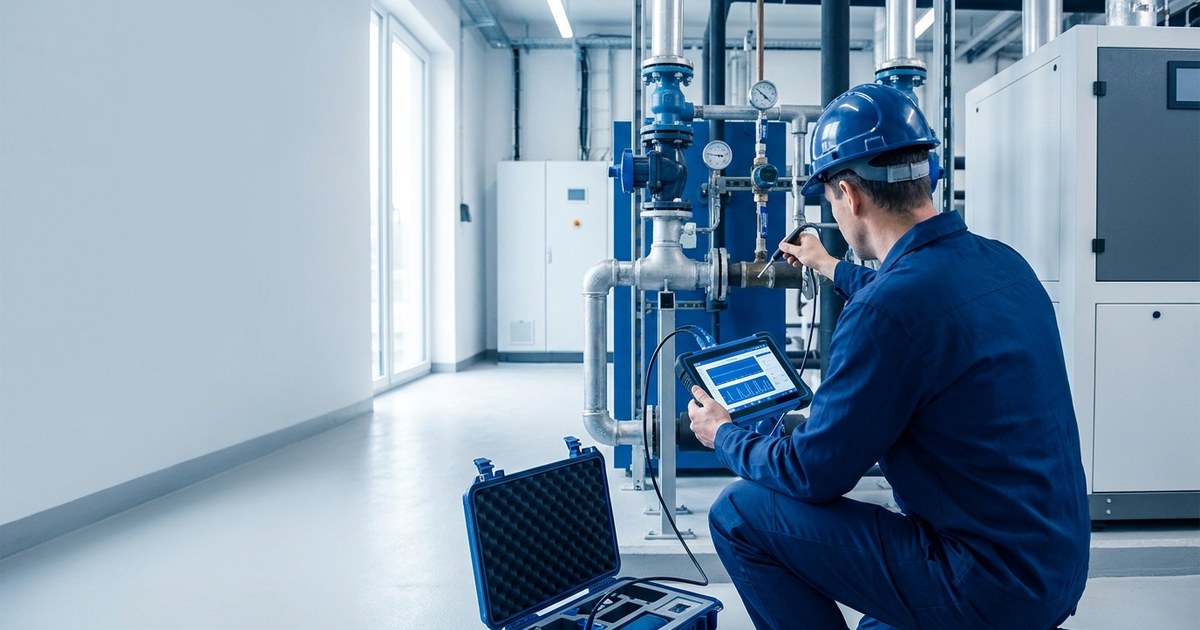
Your commercial plumbing system needs professional inspection when you notice persistent slow drains across multiple fixtures, unexplained water pressure drops, visible water stains or ceiling damage, unusual odors near drains or sewer lines, rising water bills without increased usage, frequent clogs that return after clearing, or aging infrastructure with no documented maintenance history. Early detection prevents downtime and emergency repair costs.
Commercial facilities operate on tight uptime windows. A plumbing failure costs more than the repair itself. It costs lost revenue, compliance citations, and tenant complaints. Emergency repairs also carry premium pricing. Facility managers who catch warning signs early avoid the 2 a.m. emergency call and the operational chaos that follows. This guide identifies seven critical indicators that your commercial plumbing system requires professional inspection. It helps you transition from reactive firefighting to scheduled maintenance that protects your operations and keeps your facility code-compliant.
Most available content uses residential framing that doesn't address the compliance requirements, uptime constraints, or scale that commercial property managers face daily. Finding commercial-specific plumbing guidance remains surprisingly difficult despite the high volume of search activity around commercial plumber terms and facility maintenance needs. Our Drain Services for Facilities and Multi-Unit Properties in Columbus support facility-focused programs built around your operational schedule and documentation requirements.
A single slow sink indicates a fixture problem. Multiple slow drains across different areas of your building point to a main sewer line obstruction. Grease buildup in food service facilities, root intrusion, or sediment accumulation in aging pipes create system-wide drainage issues. Left unchecked, this pattern escalates to backups that shut down restrooms, kitchens, or entire floors.
Main line obstructions create operational nightmares. In restaurants, a sewer backup can trigger health department shutdowns. In healthcare facilities, compromised drainage systems violate infection control protocols. In multi-tenant office buildings, restroom closures generate immediate complaints and occupancy issues. The problem compounds daily as waste continues entering a partially blocked system.
According to the Centers for Disease Control and Prevention, low flow rates or stagnant water in plumbing systems can create conditions for opportunistic waterborne pathogens. This poses health risks to building occupants. Commercial facilities serving vulnerable populations (healthcare, schools, senior housing) face elevated risk when drainage problems reduce water velocity through pipes. Backflow testing, compliance schedules, and commercial water system diagnostics become critical components of facility risk management for property managers, restaurant owners, and healthcare facilities.
In-house hydro jetting and camera inspection capability eliminates subcontracting delays when diagnosing and clearing main line obstructions. Preventive maintenance contracts include scheduled drain and line jetting to prevent buildup before it becomes an emergency. For facilities experiencing multiple slow drains, our Drain Cleaning & Hydro Jetting for Facilities and Multi-Unit Properties in Columbus restores full flow capacity without invasive excavation.
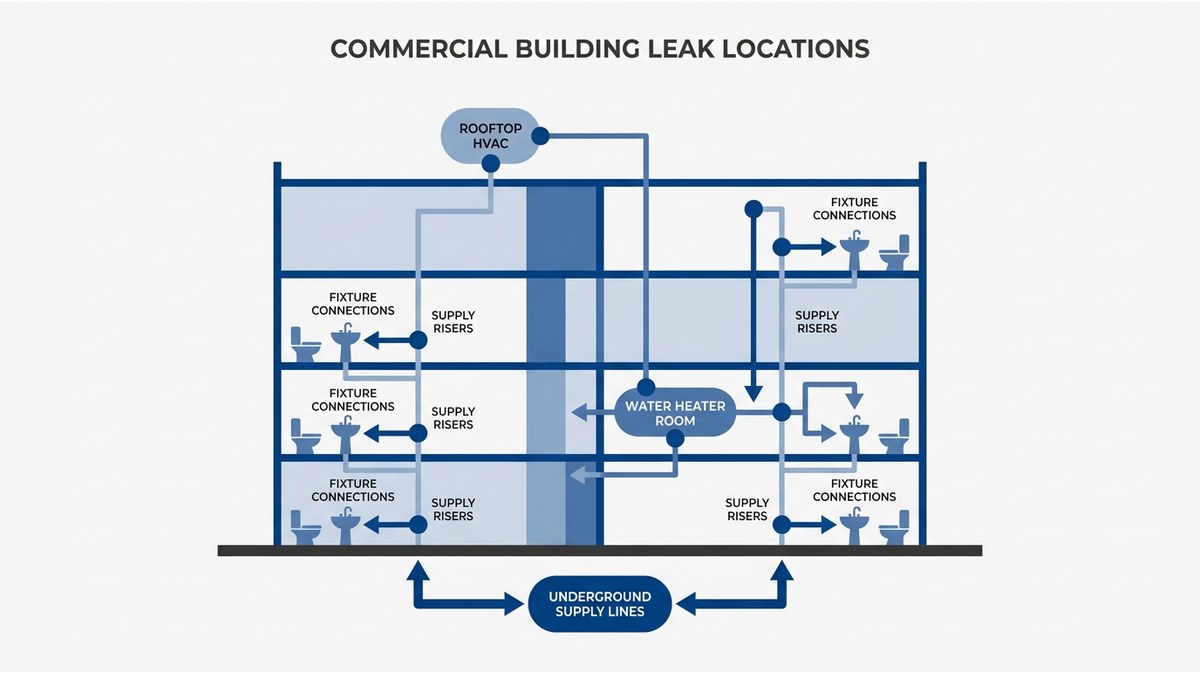
Water pressure drops without an obvious cause indicate hidden leaks inside walls, underground supply line corrosion, or sediment buildup in water heaters or distribution lines. In commercial facilities, pressure loss affects HVAC systems, food service equipment, and restroom functionality. It also signals water waste that increases operating costs invisibly.
Pressure problems cascade across facility operations. Commercial kitchens require minimum PSI levels for dishwashers and pre-rinse sprayers. HVAC cooling towers depend on consistent water pressure. Low pressure in restroom fixtures creates occupant complaints and reduces flow rates that can promote bacterial growth in distribution systems.
The American Society of Plumbing Engineers emphasizes that building plumbing systems require responsible, proactive management. This approach prevents failures and maintains code compliance. Commercial water system diagnostics identify whether pressure loss stems from leaks, corrosion, or undersized distribution lines that can't meet current facility demands. Water heater sediment buildup, corrosion in aging supply risers, and underground service line deterioration all contribute to pressure loss that affects entire facilities serving property managers, restaurant owners, and healthcare facilities.
Camera inspection and leak detection services pinpoint the source without destructive exploratory work. Facilities with preventive maintenance contracts receive scheduled pipe and leak inspections before pressure loss becomes an emergency. Our Sewer Camera Inspection for Residential and Commercial Properties in Columbus locates leaks without invasive excavation. It provides facility managers with documentation that supports budget planning and compliance records.
Water stains on ceilings, walls, or floors signal active leaks upstream. In commercial buildings, leaks above occupied tenant spaces create liability exposure, mold risk, and tenant turnover. Pooling water near equipment or in utility spaces can damage electrical systems or HVAC infrastructure.
Visible water damage represents the worst-case scenario for facility managers. Tenant improvement allowances, mold remediation, temporary relocation costs, and lost rental revenue compound the direct repair expense. Healthcare facilities face infection control violations. Food service operations risk health code citations. Property management firms absorb tenant lawsuits and vacancy losses.
24/7 emergency response with no after-hours fees means facility managers can call immediately when they discover water damage instead of waiting for business hours and letting the problem worsen. Same-day service prevents secondary damage from mold growth and structural deterioration. Our Proactive Plumbing Maintenance Built for Business Continuity includes scheduled inspections that catch small leaks before they cause visible damage. These programs help drive qualified commercial facility manager inquiries through scheduled maintenance contracts that eliminate most emergency scenarios before they occur.
Sewer gas odors indicate a ventilation failure, dry P-trap in low-use fixtures, or cracked sewer line that allows sewer gas to enter the building. In healthcare, food service, and multi-tenant buildings, odor complaints trigger health inspections and tenant vacancies. Sewer gas contains methane and hydrogen sulfide, both toxic at elevated concentrations.
Odor problems create immediate operational crises. Restaurants lose customers who associate odors with poor sanitation. Office buildings field tenant complaints and lease non-renewal notices. Healthcare facilities violate environmental health standards. Property managers absorb lost revenue from units tenants refuse to occupy.
The Centers for Disease Control and Prevention notes that plumbing system failures creating stagnant conditions pose health concerns for building occupants. Dry traps in floor drains, infrequently used restrooms, or seasonal facilities allow sewer gas to bypass the water seal that normally blocks odors and pathogens.
Camera inspection and hydro excavation capability allow fast diagnosis of underground sewer line cracks or root intrusion without extensive excavation. Scheduled sewer cleaning prevents buildup that traps odors and creates pressure differentials that pull sewer gas into occupied spaces. Our Sewer Cleaning for Residential and Commercial Properties in Columbus eliminates the organic matter that generates odors at the source, addressing the immediate organic share available for commercial plumber search terms.
A sudden spike in water bills without a corresponding increase in occupancy or usage signals a hidden leak. In commercial buildings, even a slow leak in a toilet flapper or underground service line wastes thousands of gallons per month and adds hundreds of dollars to operating costs. Running toilets, dripping faucets, and underground supply line leaks operate 24 hours per day, compounding waste.
Water utility billing cycles delay leak detection. By the time a facility manager notices the elevated bill, the leak has been running for 30 to 60 days. A single running toilet can waste 200 gallons per day. An underground service line leak can waste thousands of gallons per day without producing visible pooling if soil conditions allow rapid drainage.
Leak detection services and preventive fixture inspections catch these silent budget drains before they compound over months. Scheduled valve and fixture inspections identify worn flappers, damaged fill valves, and slow drips that don't trigger occupant complaints but drive utility costs upward. Building plumbing systems, as emphasized by the American Society of Plumbing Engineers, require responsible management to control operational expenses and prevent resource waste.
Our focus on commercial plumbing services exclusively for property managers, restaurant owners, and healthcare facilities ensures we understand the documentation and rapid response requirements these sectors demand. Targeted outreach to commercial facility managers in Greater Columbus connects qualified inquiries with the specialized capability commercial properties require. Plumbing & Drain Services Across the Greater Columbus Area provides coverage that meets the geographic footprint most facility managers oversee across multiple locations.
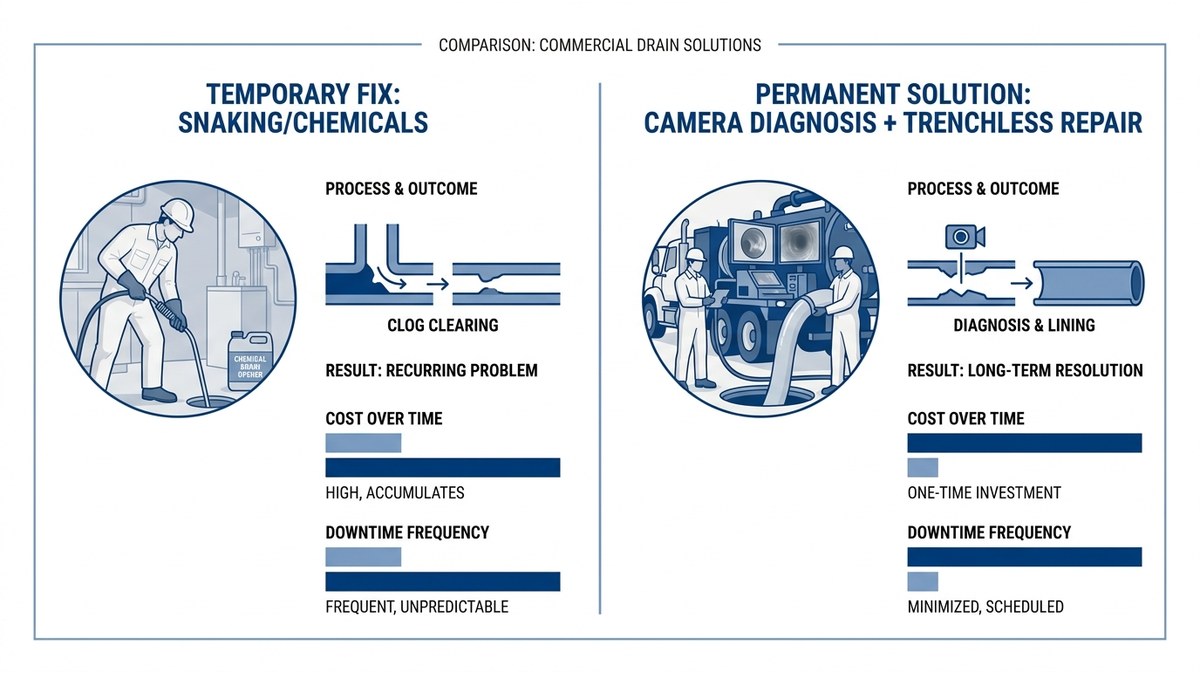
If the same drain clogs repeatedly despite clearing, the problem isn't what's going down the drain. It's the pipe itself. Root intrusion, pipe sag from soil settling, or corrosion creates catch points that trap debris. Temporary fixes such as snaking or chemical drain cleaners don't address the structural cause.
Recurring clogs generate escalating costs. Emergency drain clearing service calls compound monthly. Chemical drain cleaners damage pipe interiors and create environmental disposal problems. Facility managers absorb multiple service invoices for the same problem without permanent resolution. Eventually, the damaged pipe section fails completely, triggering emergency replacement during occupied hours.
Camera inspection reveals the root cause. Tree roots penetrating pipe joints, bellied sections where pipes have sagged below grade, or corroded cast iron pipes with interior scaling all appear clearly on camera inspection footage. When replacement is needed, trenchless sewer replacement minimizes disruption to facility operations. No subcontracting delays, no extended excavation downtime.
Our Sewer Installation for Residential and Commercial Properties in Columbus uses modern pipe bursting and pipe lining methods. These approaches replace failed sections without tearing up parking lots or closing facility access for days.
If your facility's plumbing is 15 or more years old and you lack documented maintenance history, you're managing by luck, not by plan. Pipes corrode, fixtures wear out, and sewer lines degrade on schedules that don't align with budget cycles or convenient timing. Without routine inspections, you won't know the system is failing until it fails visibly and expensively.
Aging commercial plumbing presents compounding risks. Cast iron sewer lines installed before 1980 corrode from the inside out. Galvanized steel supply lines accumulate sediment that reduces flow capacity and harbors bacteria. Water heater sediment buildup reduces efficiency and shortens equipment life. Fixture gaskets and seals harden with age, creating slow leaks that waste water and promote mold growth.
The American Society of Plumbing Engineers advocates for proactive building plumbing system management. Scheduled assessment and maintenance prevents catastrophic failures. Deferred maintenance doesn't eliminate costs. It compounds them through emergency service premiums, secondary damage from failures, and lost operational revenue during unplanned downtime.
Preventive maintenance transforms reactive firefighting into scheduled operations. Documented service intervals covering drain jetting, backflow testing, water heater inspections, leak checks, and pump system testing create a maintenance history. This history supports compliance audits and budget forecasting. Same-day service with no after-hours fees makes scheduled maintenance the cost-effective alternative to emergency repairs. Our Trusted Plumbing Services Built on Experience and Accountability includes 11 years in Greater Columbus, with in-house crews that own the excavation equipment and provide the service documentation facility managers need for vendor accountability.
Early action prevents downtime and emergency premiums. When you notice one or more of these warning signs, document what you're seeing. Record when it started, which fixtures or areas are affected, and any changes in water bills or pressure readings. Photograph visible damage. Note the date and time when odors appear or pressure drops occur.
Call a licensed commercial plumber who understands facility operations and code compliance. Residential plumbers don't have the camera inspection equipment, hydro jetting capacity, or excavation capability required for commercial systems. Commercial facility plumbing operates under different code requirements. It serves higher occupancy loads and connects to larger-diameter distribution systems than residential properties.
Schedule an inspection before the problem escalates. A thorough inspection includes camera examination of drain and sewer lines, pressure testing of supply systems, fixture operation verification, and backflow preventer testing where required. Licensed inspectors document findings with video footage, pressure readings, and written reports. These records support compliance documentation and capital planning.
For facilities without a maintenance contract, preventive programs scale from single locations to multi-site portfolios. In-house excavation teams mean one call handles diagnosis, repair, and documentation without subcontracting delays. Online booking systems eliminate vendor phone tag and provide documented service scheduling.
Catching plumbing problems early isn't about spending more. It's about spending strategically. A scheduled inspection costs a fraction of an emergency repair. A preventive maintenance contract eliminates most emergencies entirely. Facilities that operate reactively pay emergency premiums, absorb downtime costs, and risk compliance citations. Facilities that inspect proactively run on schedule.
Commercial plumbing systems don't fail without warning. Slow drains, pressure drops, water stains, odors, rising utility bills, recurring clogs, and aging infrastructure all provide advance notice that your system needs professional attention. The operational question isn't whether to address these signs. It's whether to address them on your schedule or the system's schedule.
If you've noticed any of these warning signs in your commercial facility, request a quote for a professional inspection. You can also ask about preventive maintenance contracts built for operational uptime and code compliance.
Book a service request or consultation. We respond quickly and operate to professional service standards.
We’re Happy to Confirm
If your property is located in or around the Greater Columbus area and you don’t see your city listed, our team can quickly confirm coverage and service options.